Showing posts with label school advice. Show all posts

Saturday, November 16, 2013

Advice for Dorm Politics

College dorms are a bit like little countries. Each dorm has its own stereotype and its internal politics, not always related. Different floors in the same dorm have different cultures; some groups may be in tensions with one another. Dorms may have celebrities: the people the gossip is about or the people everyone knows. Maybe even the people everyone dislikes.

All of these tensions and quirks come to a head in dorm politics. When you get involved in dorm politics, you're stepping forward for responsibility and discussion.


Read more for advice on entering dorm politics.


Popularity


It's sad to say, but things don't change that much since high school at least for dorm politics and elections. Popularity can be a major part of who 'succeeds' in dorm politics. 

Different floors have different popularities as do different residents. Some residents are known to be friendly to all floors and are loved while other residents may never be seen outside of their room. These different reputations can affect voting as can floor reputations. If your floor is known to be the 'fun social floor' you may have and advantage over a resident who lives on the 'quiet study floor' for a position that typically goes to outgoing people. 

Also keep in mind that different floors may have popularity and legacies for positions. Sometimes a inter-dorm position is always filled by a person from a particular sorority. 

Please don't be discouraged if you want to get involved. There is a lot that goes in and most dorm leadership delegates to people. If you goals is to help rather than hold a position, you're sure to be able to find a cause to help with. 

Mob Mentality Happens


Try to remember that dorm politics draws out the worst in people. Individuals that are perfectly fine may turn into horrors when in a group. Group dynamics turn into mob mentality. A dorm is what some people consider a home; most people have strong opinions about where they're living. When people start e-mailing large groups of people, things can quickly get out of hand. Some people are looking for drama or a distraction from their own work. Whatever the case is, take a step back from the drama. If you want to or feel comfortable doing so, talk to a few people one on one, in a quiet relaxed place.


  • Be very careful of dorm politics close to exams. People are stressed and may react much more strongly and negatively when they're stressed. Others may use dorm politics as a distraction from their exams. Tensions are always high so try to plan cushion time around exams.


Change


People dislike change. Even good change can cause negative reactions. Don't take this personally. It has nothing to do with you. It may not even have anything to do with the change that you are proposing.

Ask people to do you a favor, to try out the change. Let them know that they can go back to the traditional. If you can, offer a celebration - free smoothies, small snacks, dinner for those who offer opinions- to welcome the change, and discuss to improve it. Not to mention that the best way to cut down discontent after a change is to point out that no one spoke out when initiating the change.

Morals


Do what you think is right. This is the most important. You're not the president of the US; you are still you. Even if it means that you lose your position for a term, do what you think is right. In the long term, it means a lot more to you, to your friends, and to the dorm.

In my experience, the thing that really sticks with you is whether you did the right thing. While hurtful words can be painful in the moment, the thing that gave me strength was that I was doing good for people. Time usually ends up proving you right.

For example, I was really adamant about making sure people submitted their presidential application early on. I brought up in discussion with the dorm the problem we had of claiming to be inclusive but really not doing anything to fix the divisive issues between floors. A person stepped forward to be president late in the game; I questioned if we should let their application be put to a vote since they hadn't demonstrated any interest in the position aside from claiming to be inclusive without a plan of action. People really criticized me especially after this person won the election; I had a hard time of it and was less welcome on the floor this person was a part of. But I knew that expressing my concern for the dorm was the right thing to do. When the going got tough, the president huffily resigned. In the end, I was right. It didn't make me happy to be right.

What did make me glad was that I had done the right thing and weathered the storm that went with it. Because I had spoken up, other people and I were prepared to step in and help the dorm as we transitioned between presidents mid-term.

Confrontations


The best way to avoid confrontation is to leave room for face-to-face conversation. This might sound counter intuitive, but it's very empirically true. People are much nastier when they don't have to see the face of the person that they are talking about.

Sending out an email with the intent for it to stay under the radar only encourages a flame war.

Set up a meeting time that's a little removed from the blow up: give them time to cool down and give yourself time to think about what you want to say.


  • What do you see as the problem?
  • What do they see as the problem?
  • Are these problems compatible?
  • What are the resources available for this?
  • How can you help people who are having this problem?
  • Why did you feel the need to speak up?
  • Where is the other person coming from?


Saturday, July 20, 2013

Moving Forward From Failure: Get Started!

I find failure to be the most difficult thing to overcome. Maybe it's the fact that failure had such a high cost in my youth. Maybe it's just that failure represents the effort put into the attempt not being quite enough.


But here's what I do to get over my fear of failure and get started on a project.


Mentally Approaching Failure 


During our youth, it seems that many of us were told that talent or intelligence meant never failing, having things come to us easily. Therefore, when we face difficulty or worse yet failure, we question one of the fundamentals of our identity: our talent. The ideology behind this comes from the concept of a Romantic genius, a person with natural talent whose work far exceeds what practice and route learning can achieve in the untalented.

But this is a silly notion. Even the Romantic geniuses had failures!
Friedrich did studies for his paintings; even The Wanderer had its precursor. Chalk Cliffs is nowhere near the statement as the The Wanderer. It's not a shame to the artist that he went through a process of refinement for his ideas. That's what failure is: the process of improvement.Van Gogh did not immediately paint a perfect canvas: often he painted over his failures, adapting them to the improvement of his next work.

Fear of Mockery


Our greatest fear seems to be that we will be laughed at or mocked for our failures.

Let's remember van Gogh. Most art historians lament that he painted over his "failures." They wish that they could see the process that he went through, much as they pour over the sketches of those painters trained by the French Academy.

And okay, somebody laughed at your failure? So what? What are they doing? Instead of taking that time to be improving themselves, they're paying attention to you. If anything, that means that you're already succeeding. You're gaining attention for your new work. You've got an audience for your future success. You're making someone else feel happy, maybe a vindictive happy that reflects on their inner demons, but still happy. So don't worry about it.

The Cost of Failure


"I spent so much time working on it but it didn't turn out right."
"Look at all the money that went into that ugly thing! What a waste."
"My reputation's ruined by that fiasco. No one will let me try again!"

We've all heard or said these things about our own efforts that ended in failure.

But what have we said about the profits of success?

Consider failures investments. Don't jump into large ones; slowly build. Develop a skill. It only takes a single success to put you on the market, but all success requires skill.

In the case of drawing: Start out on cheap newsprint as you learn to draw or paint. Invest in a few nice sketchbooks. When those are filled, you'll see improvement. You'll have the wisdom to choose the style and medium that best suits you. A few quality finished works on canvas will yield more and more knowledge, based on the sketches you continue to do on cheap paper. Finally, you'll have a piece that satisfies you. You can send this succes to a gallery where it may or may not be accepted. But you will always have the skill of drawing, a skill that can continue to grow.


Saturday, June 15, 2013

Motivate Yourself: What is Work?

I think we all have days where we just can't do any work.

But that doesn't mean that day is a loss. Sometimes you can trick yourself into getting "work" done. Other times you just need to realize how much work you're already doing.


I'll share a few tricks for getting yourself into getting stuff done when your body just won't cooperate.


Set the mood


Often the reason I can't get work done is because of a bad or lazy mood. To deal with a lack of motivation, let's first qualify what it means to get work done. There are all sorts of tasks that need to get done in a day. Some of them are chores; others are complex creative tasks; others are matters of routine. Some relaxing but necessary tasks we don't even consider when making our to-do lists: showering, eating, cooking, taking a moment for breathing. But all of these things need to happen in a day.

It seems ridiculous to de-value the things that have to get done. Without going grocery shopping and cooking food, you'd starve. Shouldn't that make those tasks the most important part of your day?

Do chores

I find that the reason I can't focus on a large academic "important" task is because I've allowed too many of these "little" chores pile up. In that sense too we can see that everyday chores are important and part of getting work done. Without keeping up on chores and self-care, we can lose our motivation for larger tasks.

Try out these physical chores with the intended mental goals in mind.

  • Cleaning your room
    • Refocus and de-clutter your mind
  • Open up your windows to let in sunlight
    • Brighten your outlook
  • Wash and dry dishes
    • Drift on what you need to do
  • Throw away old lists and papers
    • Prioritize the things left 
  • Empty the trash can
    • Let go of baggage
  • Do laundry
    • Focus and pacing

Pacing

Work is not sitting in one place for hours and hours. The Social Network might show us people "plugging in" for hours at a time, but most people don't work this way. The human body isn't designed to sit in one place for a long time; cramped and tired out is usually the end result of this type of studying and work. So don't study in a way that physically saps motivation and sets you up to fail!

Study to your body's needs and personal habits

Most people can only concentrate on a task for 45 minutes which is about the time a load of laundry takes. After a block of time concentrating, take a break to do a physical activity to pump your body back up and keep yourself from getting tired. This will help your motivation.

Saturday, June 8, 2013

Rousseau: Life to the Fullest

Understanding the education is preparation for life, we can now figure out how to embrace that life. Sometimes it can be very difficult to create an approach to life that allows you to embrace the moment. Hearing peers anxiously talk about grad school in their freshman years or professors drone on about the impenetrability of academia can make it seem like life takes place in stretches of decades rather than days. But your life is made of days!


Fortunately, there are great minds who have already written about the focus on the day to day life, and the benefits to embracing daily joy. Let's look at a quote from Rousseau, on of the great thinkers from the 18th century. His writings on education will help us to better understand what an effect positivity can have on us, as we approach our life and our education. 

Read more for wisdom on embracing your day!


You can read the first part at Rousseau: Education to the Fullest.

Let's continue with the Rousseau quote and finding a way to embrace the day to day.


The Quote


"We think only of preserving his life and limb. It is not enough; he ought to be taught how to preserve them himself when he is grown up; to endure the shocks of fortune, to bear riches or poverty, and to live, if occasion required, amid the snows of Iceland or on the burning rocks of the Malta. [...] It is of less moment to preserve him from death than to teach him how to live. To live is not merely to breather; it is to act, to make proper use of our organs, our senses, our faculties, and all parts of our being which contribute to our consciousness of life. he has not had most life who has lived most years, but he who has felt life the most. A man may be buried a hundred years old and have died in his cradle. Such a one would have gained by dying in youth if had lived till then." (Rousseau on Education, Introductory Passages from the "Emilie," Part 2. Education and the state)

Education as a Lifestyle


Education is about the here and now. Put in your very best into every aspect of what you're learning. Reach out to professors and jump at opportunities. Education isn't about sitting back in a lecture hall and letting it happen to you. Education is an action, one that requires persistent effort from all of our faculties. Sometimes it's tiring; you may feel like you're putting yourself out there, asking "stupid" questions or sending out applications that others wouldn't dare to try for. But that's an education!

Reaching out for knowledge and passion from your education is your education. Even when your hand falls short, you've gone farther and learned more than the people who didn't dare to reach.

Embracing the Moment


It's very important to focus on living life in the moment. I think that what makes each day valuable is appreciating the small moments. Enjoy every day and take advantage of the opportunities that the small times present. Even if it's just having dinner with a friend or finishing a book that seemed to take forever to get through, these are valuable achievements and memories. Your life isn't just major events or waiting for the next "big thing." Instead of putting off adventure, embrace it. Heck, go out there and create it! Certainly there will be failures, not everything is an exciting success the first time. Those failures are opportunities to laugh and learn, a skill which will serve you well as life changes constantly.


Don't wait for a perfect moment to start living; that moment doesn't exist before you put effort into creating it. 


Tuesday, June 4, 2013

How to Politely Skip Class

There are always going to be days where you don't want to go class. Sometimes it's that you're tired; other times the weather is bad. There are ways to keep skipping class from being a major hindrance. The most difficult thing is making sure that the professor doesn't mind. Most classes have clear policy on attendance. Of course in attendance based classes skipping will have an effect on your grade. Even if attendance isn't part of the grade, showing up to class is important. Carefully judge whether skipping class is worth it. To be fair, I skip a class about once a month. Usually, I take the time to catch up on sleep or studying.


In the cases that you decide skipping class is worth it, here's a good guide to politely skipping class.


you are not subtle with excuses


If there isn't a legitimate reason to skip class, don't make up a reason. Lecturing professors have heard it all before, easily sorting honest reasons from lame excuses. While you may think a late night of DODA can be covered for with "a family emergency," your prof will probably be able to see through you.

Don't make an excuse. If you feel the need to approach the professor, just earnestly apologize for missing class and ask if there's anything you can do to make up the work. If you plan to miss class, ask a friend to take good notes for you and email the prof asking for the work you'll miss.

legitimate reasons have paper trails


For legitimate reasons to miss class, get a paper trail. If you're very sick, go to the doctor. Although this might be a pain, a doctor's note can be turned in to your professor to excuse an absence. As silly as it might be, an email from your parents describing the family difficulty can turn a recalcitrant professor into a sympathetic mentor. If you go to a GRT or other dorm staff for help due to drama that's really affecting you, ask that person to email your professor. While they may not be a grand authority, their word holds more weight than yours on its own.

Check to see if your school has a department or office for students experiencing difficulties. For example, students with crutches or arm braces can go to the Office of Disabilities to get transportation to and from class and class note takers, respectively. Or a student dealing with exam anxiety can go to Student Support Service to request more time on an exam or a separate room for test taking.

safe skip: the lecture after an exam


This is a favorite lecture of mine to skip, especially since I'm usually still tired from studying for the exam. A portion of the lecture is "wasted" going over the exam results . I say waste since most classes post solutions to exams online and the next office hours are dedicated to answering questions on the exam. The start of new material is very important as it is the base for everything else, but it's also the easiest to learn. So I find this to be an overall decent lecture to miss.

leave at break


If you show up for class but feel the need to leave midway through, the best time to leave is at the break. If there's no break, try to aim for a natural pause in discussion or speach. This is something that should be saved for the worst most desperate case as most professors will notice and may even take you leaving personally.

do not leave if exodus


Some lectures suffer from a large mass of people leaving all at once. In the case that a group of people are leaving, don't join them. Staying on the day that the class is nearly empty is equivalent to telling the prof that you value their class. Professors notice your presence then more than ever.


Saturday, June 1, 2013

Positivity: Education to the Fullest from Rousseau

Walking through the Infinite, I'm always amazed by the project posters and the chatter of discovery that surrounds MIT. I love the feeling of excited and frenzied exploration that permeates the people, the very buildings.

But there's something that makes me a little anxious: the concept of a technology education  Some of my peers see their time here as a way to gather up data points to store and recite for accolades. Others see technology as unequivocally good, unquestioning of the pursuit of knowledge and a fancy career. And there's always the disparaging of HASS, class that focus on the humanities. I can't count how many times have I been told that "readings for HASS classes are optional" or that "there's aren't any jobs in that; it's useless."

Something has changed about the way we approach education. We seem to see education as a decoration for our resume rather than a way to see the world.

(image via stephenhicks)

Read more for Rousseaus' vision of education as a way to impact individuals.


Education for Society

Let's look to a quote from Rousseau's writings on education. Please consider that all of your life is an education, a preparation for the next day to come and a way to prepare future generations with the wisdom you have gained. When Rousseau wrote of education, he wrote of education as the process from childhood that would structure and prepare young people who would form society. Always, he thought of the effect education would have on the society as a whole, a society in line with the ideals of antiquity. 

Ideal Education

Rousseau had the idea that education should return to the earlier style of the Romans, removing children from theoretical academics (which he saw as useless ego stroking) and instead allowing young people to pursue their interests whole heartedly and with lots of hands on experience. He wanted to grant poor students scholarships that would be proudly awarded. Education was meant to enrich people morally and mentally, always a tool rather than a decoration.

Education included the mind and body. Physical education and a connection to nature were very important to Rousseau; he felt that competitive and group athletics in the outdoors would improve students and their communities. Rousseau thought that the whole community should gather to honor athletes and encourage young people to work together in sports. This would build the community and help people to see their ideals of leadership, sacrifice, and cooperation in action.

The Quote

"We think only of preserving his life and limb. It is not enough; he ought to be taught how to preserve them himself when he is grown up; to endure the shocks of fortune, to bear riches or poverty, and to live, if occasion required, amid the snows of Iceland or on the burning rocks of the Malta. [...] It is of less moment to preserve him from death than to teach him how to live. To live is not merely to breather; it is to act, to make proper use of our organs, our senses, our faculties, and all parts of our being which contribute to our consciousness of life. he has not had most life who has lived most years, but he who has felt life the most. A man may be buried a hundred years old and have died in his cradle. Such a one would have gained by dying in youth if had lived till then." (Rousseau on Education, Introductory Passages from the "Emilie," Part 2. Education and the state)

Meaning and Focus

Let's focus on the first section of the quote:

He ought to be taught how to preserve himself when he is grown up; to endure the shocks of fortune, to bear riches or poverty.

This is not what our college education does! That's not even how most people approach education!

Most people approach education as a way to get a well paid career or as a marker of the upper middle class. But really education should be so much more than that. Think of the great Greek thinkers: Plato and Socrates certainly wrote, debated, and educated for the young men of the elite. But they spoke to these men with questions, in order to change society and to give these men the means by which to live and find their own understandings.

Rousseau is suggesting the same thing: education should prepare young people for life with a style of thinking rather than a collection of datums.

Education's purpose isn't to make money or a sparkling career. Education has the purpose of preparing us to live our lives regardless of money. An education is supposed to make us consider the role that money plays in our lives. A good education should give us a sustainable approach to life, one that we can live in the ups and downs of life.

Because there will always be ups and downs, education should teach us how to ride life; no number of degrees can protect us from uncertainty or fragility.  

In the next section, we'll turn to the second part of Rousseau's quote.


Tuesday, May 28, 2013

Classroom Etiquette

One of the most important things for college is the new code of etiquette for college lectures. It's very different from high school but still important for making sure that your professor has a good opinion of you.


Here's my guide to lectures and college classes, how you should behave in lecture. The advice will go through cellphones, bathroom breaks, sleeping and more.


  • going to the bathroom

At my high school, we had passes to go to the bathroom. It was very embarrassing: students had to get the teacher's attention and signature in a pass book to go to the bathroom. Even worse, for each class, you were only allowed to go to the bathroom twice a semester. 

Fortunately, college lectures allow you to go to the bathroom whenever you want. It is of course preferable to go before or after class, but in the case of emergencies it's easy to slide off during a lull. Many professors even have a mid-lecture break if allotted more than an hour. 

In my mind, there's no shame in needing to use the bathroom and I don't much care if students or professors judge me for drinking lots of water and then needing to use the restroom. Your body needs what your body needs.

  • eating and drinking

Eating is really up to the professor. Some professors will make clear at the start of class their policy on eating, especially if it's verboten. Most don't mind students drinking water or coffee during a morning class along with a quiet granola bar. Evening classes tend to be quite lax about food policies, often expecting students to eat. For example, my Monday evening class goes from 7 pm - 10 pm so the professor told us on the first lecture that food was alright.

I'd personally suggest something you can pick up and put down while taking notes. As always, try to eat quietly without making a mess. Nachos for example are a bad idea: loud and messy salsa. Foods without strong odors are considerate of the people around you. 

  • sleeping

Of course you shouldn't be sleeping in class. But we all have moments where we dose off during a particularly dull lecture due to a late night cramming. 

If you expect to be falling asleep, consider skipping the class. There's nothing to be gained from sleeping through a lecture; it may even reflect worse on you than missing one lecture. If you decide to attend and sleep through, sit in the back of the class. There's nothing worse for you and others than being the student snoring in the front row. 

If you absolutely don't want to fall asleep but may fall to temptation, have a friend or seat mate periodically tap you to wake you up. It may be a little embarrassing to ask a stranger sitting next to you for a favor, but that embarrassment may also keep you from falling asleep.

  • cellphone

Put your cell phone on silent during lecture.
Let me repeat that: Cell phones should be on silent during class.

This isn't high school; no one's going to confiscate your phone. But everyone will turn to look at you, especially if you have a hilarious song for your ring tone.

Personally, I suggest putting your cell phone on your lap during lecture so that you can check the time without loudly rummaging through your bag. If the professor has a no cell phone policy, turn your phone off and leave it in your bag to totally minimize the temptation. 

  • laptops

Most professors have a clear policy on laptops. If they're allowed, try not to drift off topic while using them; some professors will walk around the room in order to get a view of your laptop.

If laptops aren't allowed, they're really not allowed. Don't bring them. 

  • late/leaving

If you are entering late or leaving early, try to do so respectfully. If you know in advance, send the professor an email before the lecture to apologize and explain. If it's just a case of sleeping in, enter the room quietly and accept the fact that you may have to settle for a seat in the back. If you need to interrupt other students' view or the position of the lecturer to get when you need to be, wait until a natural pause. 

For important reasons to leave, pack your bag quickly and quietly. Often it's easier to dump everything in your bag and reorganize outside of the lecture hall rather than deal with the dirty looks from students trying to take notes.

Unlike high school, it's normal that you have other commitments and most college classes don't take attendance. There's no need to feel terrible for a few late entries or early leavings so long as you are considerate of others. Most likely a professor won't remember the one time a student shows up late so long as there wasn't a scene. Don't sweat it. Just be polite.

  • chatting

Whisper. To. The. Person. Next. To. You.

Stop talking when lecture starts. There's nothing that professors hate more than not being able to start their lecture on time because of people obliviously chatting. Take note of the time and quiet down when lecture is supposed to start; it's for your own good to make sure that the prof gets through all the material. I've had a few professors who have put material that wasn't covered in lecture on exams because they blamed chatty Cathys for not making it through the information in class. Don't be that kid.

Do not yell to the person across the room. Don't pass notes. Don't constantly text. These are the other things that professors notice.


If you have questions, you are super welcome to comment so that we can share our experiences and advice.

Saturday, April 20, 2013

Vacation sleeping insights

It's amazing how different MIT students approach their long vacations. A lot of my friends spend most of their vacation sleeping. We travelled all the way to Florida, to see sights and enjoy the warm weather. But most of the day was spent sleeping in. To my amusement, there was great anger at my attempts to have an early start so that we could see more of south Florida. I'm really not exaggerating: Waking up at 2pm and going to sleep at 10pm, sometimes with naps in between.

Why do these kids do this? What reasonable explanation could there be for sleeping away a vacation?


The desire to sleep on vacation is great since most of the school year is spent sleep deprived.

During the school week, most students are sleep deprived not just because of course work, but also by choice. Their logic is that with 24 hours a day, there's however long school work takes and 5 hours of fun. The time that's left over is for sleep. Often a 16 hour work day with 5 fun-hours leaves 4 hours for sleep.

Just 4 hours for sleep.

You might think that I'm exaggerating, but there really most students self report 4-6 hours of sleep a day.

You might be catching the logical paradox that I saw.

If their priority is staying awake for fun, why do these kids spend their vacation sleeping?

To me this makes a lot of sense with a slightly closer look. Your body needs 6-9 hours of sleep, whether you try to convince yourself otherwise or not. The body is crying out for sleep.

For long vacations, there's no work hours. It's just 24 hours of "fun". And sleeping is amazingly fun when your body is crying out for it. So amazing, that a disproportionate time is spent sleeping, trying to catch up on all the hours missed during the semester. An impossible task.

The moral: Work sleep into your schedule. 8-9 hours are the ideal for the college age group. If you don't you may spend your Florida vacation napping.


Tuesday, April 16, 2013

Over-committing: Classes, Clubs, Career

There's a big shift transitioning from high school to college. You have a lot more independence to pursue what you want when you want but more responsibility follows. Classes in high school were really easy for me; I could skate through lectures and rely on the repetitive style of teaching if I wanted to zone out for a day.

College is not like this.
At all.


The work load is more intense, especially since professors aren't holding your hand through the material. It's up to you to keep up with work and ask for help when you need it. Despite this, a lot of students coming into college try to replicate high school, signing up for tons of clubs and activities. While it's good to have things outside of lecture, the priority of a college student is their classes, in my honest opinion. Well, it's not just my opinion: it's the opinion of the faculty and advisors.

Here's some advice for the times when you've overcommitted in your classes, clubs, and career.


Classes

Coming into college, it's easy to think that classes will be like high school. A lot of high school advisors don't know what you can handle so you may be used to ignoring warnings of too much course work. Working as an Associate Advisor with freshman advising, I see lots of students think that they can handle five challenging technical classes while doing a varsity sport and who knows what else. Most of these students come back, a little bit humbled, hoping to drop their fifth class and transfer into a slower paced class.

My first suggestion would be to listen to your freshman advisor. Challenge yourself but don't overload on your first semester. If certain classes are pre requisites, it's for good reason; don't try to skip around. If the advisor suggests your course load is too much, consider them seriously. Weight what your advisors says with the advice of upperclassmen who have taken the class.

If you've signed up for too many classes, speak to each professor. Ask how you're doing in their class and ask what you can do to keep up with the work from now on. Make sure to email the TA, asking about what tutoring is available and their office hours. Your school may have a Writing Center or Tutoring Office that you can go to for extra help.

Finally, meet with your advisor, reporting back what each professor has said and how you feel about your work load.

If you need to, drop a class. There's no shame in letting go of something that you aren't enjoying or doing well in. Make sure you keep track of drop date and the necessary paperwork.

Extra Curricular and Clubs

If you've signed up for too many extra curricular responsibilities, there's no shame in stepping back. Speak honestly with your club about why you need to re-focus on your school work. Make clear that you want to stay involved with the club, but will be less active until your work is better in hand.

Don't just disappear! Talk to the club, even if it's just an email or a stop by at the next meeting. Having been on both sides of this, I can say that it hurts to worry about a club member who hasn't been seen in a long time and to scramble to take over their responsibility.  It also hurts to feel that you can't come back to the club because there was no clean break or explanation for leaving in the first place.

If you can't drop the commitment, ask another club member to split the work with you. Work something out to share the work, delegating parts of the project to others.

Plan out when things need to get done, organizing your time.

Career


If you're paying your way through college, you may not be able to cut down your work hours. I totally understand that; I'm paying my own way with the generous help of scholarships. But what you can do is make sure that your work is either applicable to your major or allows you to do course work.

For example, I am a desk worker at my dorm. I can do a lot of my school work while sitting at desk, letting people in and out of the building. The pay is decent for the amount of double tasking I can do.

If you are just working for experience or extra spending money, remember that your course work is the priority. Plan out the number of hours you can do in the week. Some labs will let you come in on the weekends so if that works well with your class schedule take advantage of it.

Look at your syllabus at the start of the year and make sure to get time off for your exams. This might sound silly but you may have an evening shift that conflicts with a late evening exam time.

Wrap Up

The moral of the story is that coursework if the main priority of a student. Everyone's heard the story of a wise professor filling a jar with golf balls and then pouring in the small bits of sand to completely fill in the jar.

Block in the class work and let classes, clubs, and career work follow in to fill in your free time. Organize your time and don't sign up for things you can't follow through on.

I hope that this advice helps you. If you  have any suggestions that you want to share comment below!

Saturday, March 30, 2013

Morning routine: Breakfast

Morning routine is so hard to establish and so easy to break. I was raised to always have breakfast in the morning. I wasn't spoiled enough to have a home cooked breakfast laid in front of me, but I wasn't living the anime trope of toast in the mouth either.

Going to college has definitely made me realize how important breakfast and a good morning routine is.
I've seen lot of students sitting in morning lecture, some barely awake, others with grumbly tummies, and even the occasional few who have forgotten their necessary laptop or pset. I'm not too shamed to admit but after an all nighter, I've been that person too. Worse, if I don't follow my routine then I end up as the person who forgot their pset, makes a ruckus while entering the lecture hall late, and has a growling stomach the whole lecture long.


The point is that breakfast is the most important meal of the day. I know it's hard to fit in time for breakfast, so I'll share my quick fixes. Sometimes I do just one; on good days I do a

Carb


  • Banana
  • Granola
  • Cereal
  • Microwave Oatmeal
  • Microwave Grits
  • Croissants
  • Apples
  • Granola/Breakfast bar

Protein


  • Scrambled Egg
  • Deli-sliced Turkey/Ham
  • Protein Bar
  • Peanut Butter
  • Whole Milk Yogurt
  • Sausage

Carb & Protein


  • Toast and Jam
  • Bread and Nutella
  • Sandwich
  • Croissants with Ham/Egg
  • Any carb + Grab and go packaged yogurt
  • Any carb + protein powder


Drink water! A glass of water right when wake up and head out- it is almost as good as coffee, I swear to you.


Saturday, March 23, 2013

Dorm Kitchen: Cleaning and Pest Prevention

Dorm kitchen are scary places. A lot of them are nasty, not deeply cleaned in years and regularly abused by sloppy college students. That means that most dorm kitchens have their fair share of vermin, mice and insect alike.

If you're alright with insects supplementing your daily protein intake and sharing your home with the City Mouse, skip this. If that idea makes you uncomfortable, read on.


Common Pests

Panty moths are a common pest that once introduced never seem to leave. It's quite easy to bring them into the dorm; just one tainted bag of grain means that the whole dorm will be infested.

Weevils and other grain pests are brought in a similar fashion.

Mice learn how to break into older buildings and remember which buildings serve as a good food source. No matter how many traps are laid down, a messy home will have mice. That means that your dorm and dorm kitchen has mice. Often, if you sit quietly in your kitchen with the light off and a bit of peanut butter out on the floor, close to a refrigerator or oven, you can see the mice venture out from one of their favorite hiding places.

Roaches are a step beyond the usual; if you see roaches you should contact your house master to try to get rid of the infestation. However, sometimes it is nearly impossible to get rid of cockroaches as they nest. To get rid of roaches you have get them all in one go. Everything else is damage control on a pest that's very hard to kill.

Silverfish probably aren't going to be in your kitchen. More likely, you'll see them in your bathroom or book shelf. These bugs eat paper and wood pulp but will go after starches and flour.


House centipede (above) is a bit of a misnomer. These aren't pests; they eat pests! They even go after bed bugs which makes them a bit of a hear. These creepy little bugs have frightened me more than once, climbing all up the wall or scampering off real quick as I enter a room. But don't try to kill them: they eat all those real pests listed above. They don't cary diseases so they're safe to leave alone. 


On wards to the advice~

Clean your cabinets!


  • Vacuum your cabinets thoroughly.
    • This will get rid of all the insect eggs and dust. 
    • Be very sure to get the corners. That's where cobwebs and eggs tend to be.
  • Bleach everything.
    • Take a cloth rag or paper towel and soak it in bleach. Soak. Full on soak. Then rub all surfaces down with the rag, such that they are slightly damp. 
    • Open a window or turn on the kitchen ventilation. Let the bleach sit for a few minutes. The bleach needs to sit to kill and disinfect everything.
    • Wipe down with water, getting rid of the bleach. 
  • Add a repellant. Natural repellants can simply be left in your cabinet without worry of hurting you. Check any sprays or poisons to make sure that they won't be hurting you as well as your unwanted cabinet guests. 
    • Moths: Lavender, Mint, Cedar
    • Weevils: Bay leaves
    • Mice: Mint, Clove, Dryer sheets 
    • Cockroaches: Bay leaves, Catnip, Garlic
    • Silverfish: Bay leaves, Clove, Eucalyptus
  • Periodically check and clean.


Based on all my posts about cleaning, I probably come off as a clean freak.
But let me tell you a little story.

My floor had a moth infestation, started in October and still going on. I had done my little cleaning routine with my cabinets at the start of the year and I did it once more when I saw the first of those horrid little moths. I told everyone on the floor what to do: throw out grains that weren't in glass or thick plastic air tight containers and to vacuum and bleach their cabinets.

Some listened. Most didn't.

Since then, all the other girls on my floor have had issues with moths fluttering out of their flour or little larva crawling about in their grains. Even now! We still catch sight of moths.

I have not had any moth problems. I haven't seen one moth egg, nor larva, nor grown moth in my cupboards and drawers. Not even a single one flying out of my cabinet to go to better shores. I haven't had to thrown anything away since the initial purge, unlike some girls who have had to throw our multiple containers of rice, cereal, and flour.

Listen to me: Clean your cupboards thoroughly and avoid the pests!

Talk to upperclassmen about what pests are common to your dorm and take steps to prevent them.

Air tight Tupperware

It's important to have airtight tupperware. Make sure that you have good thick plastic or it will be chewed through. I don't deny that this is an expensive investment. But it is very worth it. Good tupperware will save money because there will be no purges of a full cabinet. I swear, girls on my floor lost about $100 for each infestation of their cabinet. Not to mention that this tupperware lasts a while, even after graduation.

 Most pests can chew through thin plastic and cardboard. That means that the store packaging or plastic bags is not going to cut it. The moment you bring something into your home, transfer it to an airtight container.

For large purchases of grains such as rice or flour, put the grains in the freezer for 4-5 days. The extended cold will kill pests. Shorter stays will simply put them in hibernation which they will wake up from once in the cabinets. After a long freeze, the grains transfer immediately to an airtight container. 


Invest in glass jars with the plastic airtight seal. 

Saturday, March 16, 2013

Inspired positivity

I read a blog post here, at Stuck with Pins. I love seeing Corinne's photography and graphic design, especially since she applies her talent to every day things. She also shares artists' work, to help them gain attention and to share the gorgeous work they're doing. I'm always a big fan of seeing people beautify the everyday.

Reading this particular post about the positive change that Corinne's creating for 2013, I thought that she had some great points. Please read her post on staying positive. Read more for my additional suggestions.


I do have some additional advice.


  1. Don't underestimate the effect of small kindnesses.
It can be very difficult to find the strength to be kind when it's not an established habit. It's hard be kind to strangers, much less the people that you don't like. But starting small with your kindness is still valuable. 

Something as small as a smile to someone on the street or giving directions to a tourist can make a big difference in that person's day, even if it only seems like a tiny thing to you. 

Work your way up to being kind to your friends on a bad day. Maybe bring them lunch if they seem too busy to eat or give them your full attention for an hour of complaining. 

     2. Add a positive to the negative; Make a fresh start

With the skills of kindness to strangers and friends, you can try to be kind to people you dislike. First, give them the benefit of the doubt. It may be impossible to see where they're coming from, but for a week assume that they mean well. This is something I do to keep my irritation at bay.  

Once this is within your grasp, forget about all the previous irritations. Just clear the slate! Don't forget what they did. If they messed up a report or hurt you, remember to be cautious. But let go of the negative emotions that go with that. Try to stop complaining about it. When you want to complain about that one time they did that one thing, talk about what you learned from the experience. 

     3.  Complain: Compliment

If you can't stop complaining, make a deal with yourself: for every complaint, you have to compliment someone or something. 

I rely on my tumblr for getting out my anger and frustration. I couldn't stand to give it up. So when I write something negative or complain about something, I also spend as much time working on a blog post here, to give appreciation. 

     4. Appreciate self-love

Often, people think of self love as selfish. But it's a part of self-care, right there with eating right and showering. It's something that you need! You will shrivel up without caring for yourself. 

Plan in your self care. As I mentioned in my post on my day planner, at the start of the year  I sprinkle moments of self love through out the year. What works for you may be different. I have religious friends who can't do work on Sunday and so dedicate that day to relaxing and the self-care that can be overlooked in the week. 

And let me just emphasize: Drink water! It makes such a difference!

     5. Appreciation and Thankfulness

Write down what you like. Say thank you. It's a matter of slowing changing your perspective that will make the difference.
Look at what you have rather than what you're missing. Your feeling will change quickly.


Tuesday, March 12, 2013

Cuter Electronics: Mouse pad

Check out the cuter electronics post on mouse pads.


This may sound a little bit silly, but students really should invest in a mouse pad. You spend so much time sitting at your laptop that you want to be able to jot down things that you notice, as well as have a good surface for your wireless mouse.


It even has an inspirational quote on the botton.


I have a writing pad shaped like a cat. It's adorable and useful. As you can see, when my laptop is closed, I use the pad as a coaster. So many uses, ha.


Best thing.


Unfortunately, I'm down to the last three pages.


You can probably pick up something similar at the closest Korean stationary store.


Or these alternatives:

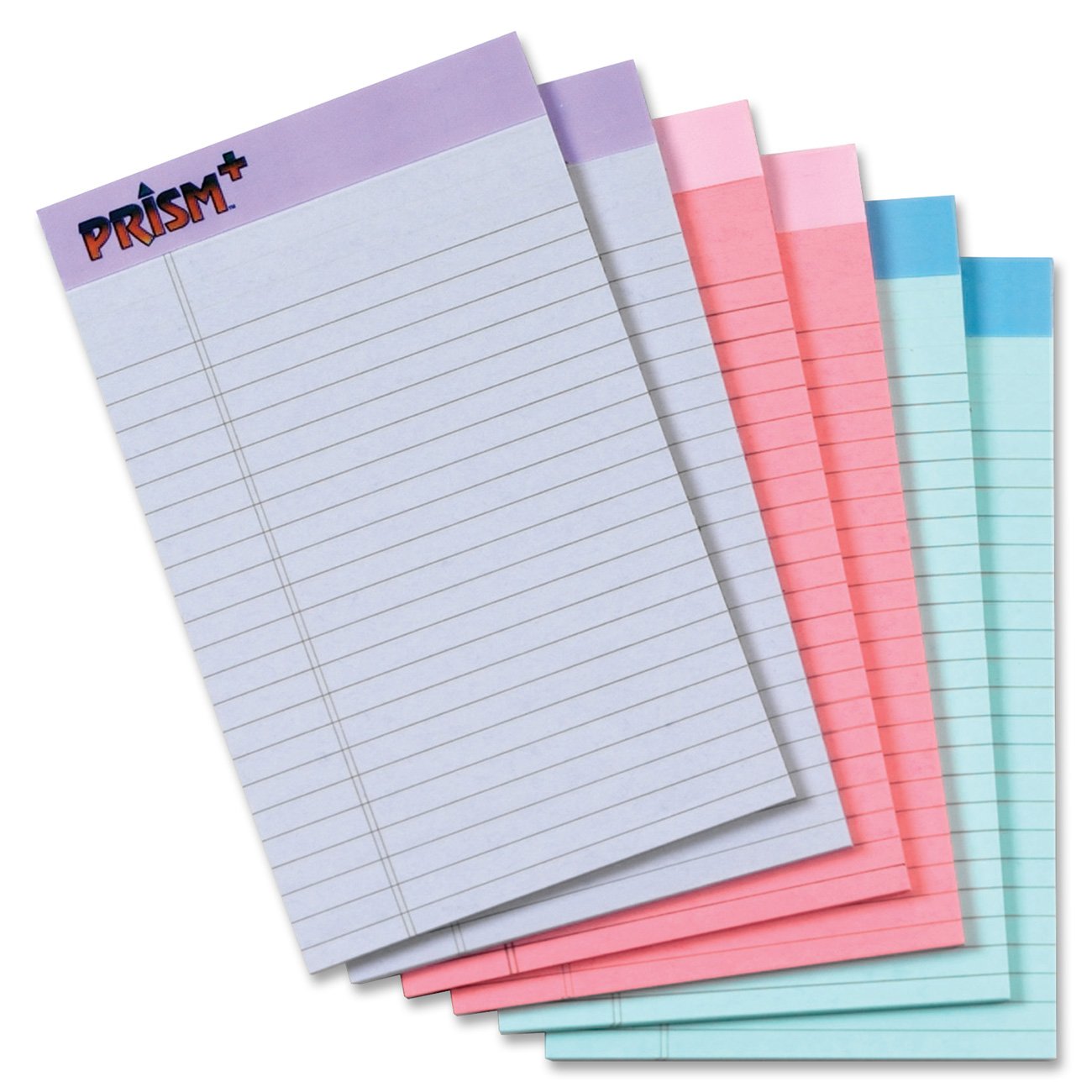
Legal Pad in Lovely Colors
$11

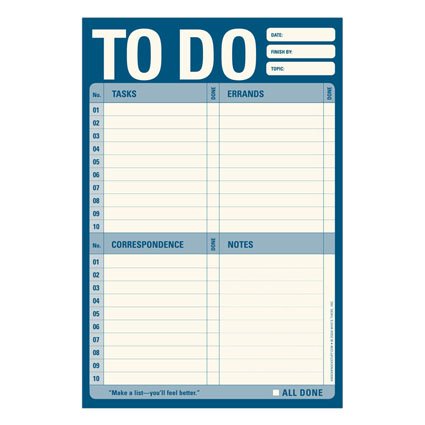
To Do Pad
$10


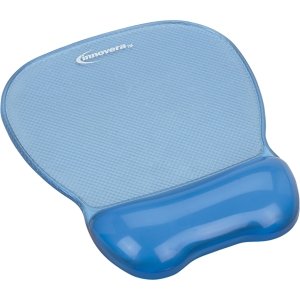
Innovera Gel Mouse
$12


Saturday, March 2, 2013

desk organization: drawers

Organizing the drawers is, I think, the hardest thing to do. My drawer organization shifts as the semester goes on, as my study habits change. As always, the most important thing is finding something that works for you and your habits.

Step One: Clean

Carefully clean the surfaces and all the drawers of your cabinet. At the start of the year, give your desk a good treat of bleach, including the drawers. Trust me it's worth it. No one knows where the last resident stored their half used tissues.


Personally I use Pledge Multi Surface ($11). I also try to clean off the surface of my desk once a week because germs. If you want to go all out get a nice wood polisher, if you have a nice wooden desk. But do make sure to get something with anti bacterial properties.

Step Two: Drawer Check


Make sure that all of your drawers are properly aligned. If problems with the drawers sliding persist, the drawer hinges are probably a bit rusty.

Your dorm manager may be able to hook you up with some grease or WD40 for your desk drawers if they are too creaky or jam a lot. If not, you can buy WD40 from most hardware shops.


If you are super concerned about germs, you can get anti bacterial removable desk liners from most Bed, Bath and Beyond and similar style of stores. You can get some on Amazon ($3; pictured above).

Step Three: Personalized Handles


If you want to go the extra mile to personalize your desk, you can get change out for new drawer handles. Anthropology ($8 - $15; pictured above) has a ton of different styles of handles as do many hardware stores. Make sure to keep the dorm ones; you'll have to put them back at the end of the school year.

Step Four: Plan, Concentrate, Shop


A desk is a place that you should be able to calmly concentrate, with all of your supplies in easy reach from your seat. Think about what things you use most often: pens, pencils, highlighters, post it notes, paper clips, binders, whatever office supplies you tend to use. Don't take for granted that the "typical" office supplies need to be in ready reach tho. For example, I don't use paper clips or post its very often but I use a lot of binder clips and sticky flags.


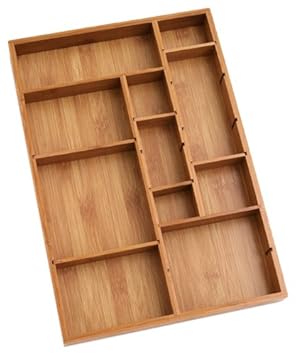
Get a desk organizer or silverware organizer for your drawers. I'd strongly suggest getting bamboo desk organizers because they're easier on the environment and your wallet. There are a ton of different styles and sizes for these desk organizers.


Tips to get the right size: 


  • Be very careful measuring out the interior of your desk when ordering online. Leave a little bit of space if you can, as not all measurements are precise. These small spaces can be filled with thin paper products; don't worry about them.
  • If you're going into the store, you can cut a bit of newspaper or poster to fit inside of your drawer. Place things you're considering on top of the paper to make sure they would perfectly fit you actual drawer.

Step Five: Preserve

Now that everything has a proper place, create the habit of putting things back where they belong.
Plan to clean your desk and drawers regularly. Don't let dust or grime build up; clean more often during the winter flu months.

I'd suggest getting cedar scent blocks for your drawers. They keep away moths. Plus, they smell good.


Wednesday, February 6, 2013

Day Planner

After going to the comic book shop with a friend, we wandered around a bit. And being the person that I am, I couldn't resist a little stationary kitsch shop.

It had so many cute things to pick up and explore. I was thinking of getting myself a nice soap but then realized I have enough soap for a small eternity, all of it lavender scented too.


Isn't the planner just lovely? I love that the cover is of vintage Boston. It has a bit of elastic to hold the cover closed along with ribbon to keep the page.


The front page has personal information; the next spread is monthly views and holidays.
I got myself a planner for new year of 2013 so to fully dedicate it in the back are my new year's resolutions. It has a great pocket in the back. I use it to store the letters that I'm about to post.


Set up with with a view of the week on one page and a note sheet for lists, this little planner has been helping me get organized. I use stickers to spark up the pages for my routine events and even for reminders of small inspirations. I put in my plans for IAP. I also put in some surprise plans throughout the year, complete with stickers. I think it's very important to have little things sprinkled throughout the year to keep oneself from losing sight of the small joys.


My one warning would be that it doesn't have a full spread monthly view.  For each week, there is a mini month view. That's alright for me since I have a monthly wall calendar along with a cell phone app calendar.

Hope that this little book can keep me organized throughout the year! I do really hope it does; as you can see I'm trying to improve myself a bit in 2013.
How do you keep organized? I enjoyed reading the Dainty Squid's post about planning blog posts.

Tuesday, January 29, 2013

College Dorm Advice Part 1

You've just moved into a college dorm. This is so exciting!
You probably want to get unpacked as quick and possible and revel in the feeling of having your own space, possibly for the first time.

But there are a few things that you should do first!

Check your dorm information to see what you can do to your room. 

Can you paint the walls? Can you burn candles in your dorm? Are you allowed to smoke or have pets? Can you put nails in the wall? Are regular fairy lights allowed or only LED fairy lights?
These are all important questions before you even start unpacking.
For example, my dorm allowed painting so I didn't start unpacking until I'd finished painting my room.

Check to see what furniture is available for free.

Check to see what furniture each room is supposed to have. If your room is supposed to have certain furniture, you can ask for your dorm manager to get you the missing furniture.
Then ask if there is any extra furniture. Email your dorm or house master for this information. Lots of dorms have extra furniture for rooms. Ask floor mates if they have furniture they don't want or don't have space for in their room. Before exchanging furniture with floor mates, make sure your dorm allows moving furniture!
You may want an extra wardrobe if you have a lot of clothes, so ask about that.
My key advice would be to check to make sure your desk has all the drawers and that they work well, without jamming or any other problems.  If anything in your room is broken, ask the dorm or house master if they can replace it for free.

Now you have all your furniture. YAY!


Find out where you can get a vacuum.
Personally, I own a vacuum.
A lot of dorms these days have vacuums that students can rent for an hour or so. My dorm has several vacuums that students can rent.
If you're super nice to cleaning staff or the dom manager, they may let you use some of these cleaning supplies. A friend in another dorm has a good supply of paper towels and disinfecting air spray due to a well placed friendship.

Fresh smells.

If you're allowed to use candles, go for it! They smell great and are super relaxing. Make note of where the fire alarms are and how much smoke your candle is giving off. No one likes fire alarms. Be sure to put the flame out when you're out of the room.

My dorm doesn't allow candles so I have found a few ways around that to keep my room smelling good.
Get an automatic air freshener or get a wall plug in freshener.
Get a room spray air freshener.
Make sure that these two scents are the same or at least work well together. Both of mine are lavender.


Clean everything!

This is the most important thing to do! I don't care if your dorm has a cleaning service or if you've lived in filth all your life. You have to clean everything in your room! Move furniture and vacuum. Take out the drawers of your desk to clean. Wipe down everything with bleach and/or clorox. This includes your mattress. Most dorms have the mattresses in plastic covers so they are super easy to clean. You will be amazed by how much dust and filth there is.
I had to go over a lot of things multiple times because things were so gross!
Cleaning your desk, bed and closet are super important since you will spend so much time in these places. You may laugh at "spending time" in your closet but how often are you wearing clothes?

That's what I thought!

If you can, now is the time to paint your room.
I'll do a separate post giving advice on painting rooms.

Organize your furniture.

With everything clean, you only have to find the proper place for your furniture.
Once again, you may be able to have the dorm or house master arrange help with this.
If not, ask your floor mates for help, offering to treat for lunch in exchange for the help. This is a great way to meet people without it seeming unnatural.

Take note of where the plugs are! If you have plugs behind furniture, use extension cords. If you have cable or ethernet plugs, check where they are and make sure you have a cord long enough to reach your tv or computer.

I'd suggest having your desk in front of a window, if your room has any windows. You'll be happy for the natural light when studying.
Another good idea is to have a dresser by your bed, especially those of us who wear glasses.


Make your bed comfortable.

Remember to clean the mattress. So many people have slept on it and maybe not all of them have been as regular with showers as you prefer to be.

Your bed is a place you will be spending a lot of time in. Make it how you like.

Remember most college dorm beds are Extra Long Twin!

I would strongly suggest getting a foam mattress pad. These come in all different price ranges. I got a mid range one, about $50. That one has served me quite well these two years. People always say how comfortable my bed is so I think it was very worth it.
Do get one with a washable cover! Also, if you have a foam mattress pad with a cloth cover, I'd suggest getting two fitted sheets so that will prevent the pad from sliding off of you bed.

Also get comfortable pillows and pillow covers. I'd suggest a few firm and soft pillows. If you are a pillow enthusiast like me, get a body pillow. Again, if you can get a body pillow with a washable cover that would be best.
Silk and soft cotton pillow covers work best for easy washing and comfy sleeping.

Another suggestion would be getting bed risers. They are super helpful for storage. Things stay out of sight but are still easily reachable.
Your bed frame may be adjustable- ask if it is and for help, if you need it. My bed is quite raised so that it stores a lot of things underneath in large plastic containers.


One of the best purchases I ever made was of this from Walmart online. It even has wheels! Which looks a lot like this from PBTeen, but Walmart is a lot cheaper.


Decorative pillow people will tell you to get throw pillows and all that stuff.
Just make sure that you don't have too many things on your bed that it becomes a pain to make or sit on. Just because you were too lazy to make your bed before that 10 am class doesn't mean you won't have friends over to your room later in the day.

Moral of the story: Keep it simple enough that you can always have your bed ready for a friend to sit on!

Part two will explain the full process of unpacking and organizing now that you have a good grasp on your room.